
Genetic diagnostics and counselling for children and families
Genetics doesn’t have to be complicated or scary.
You won’t have to worry about needles or going into hospital. Testing is done with a simple cheek swab at home, and I take time to explain what the results mean for you or for your child.
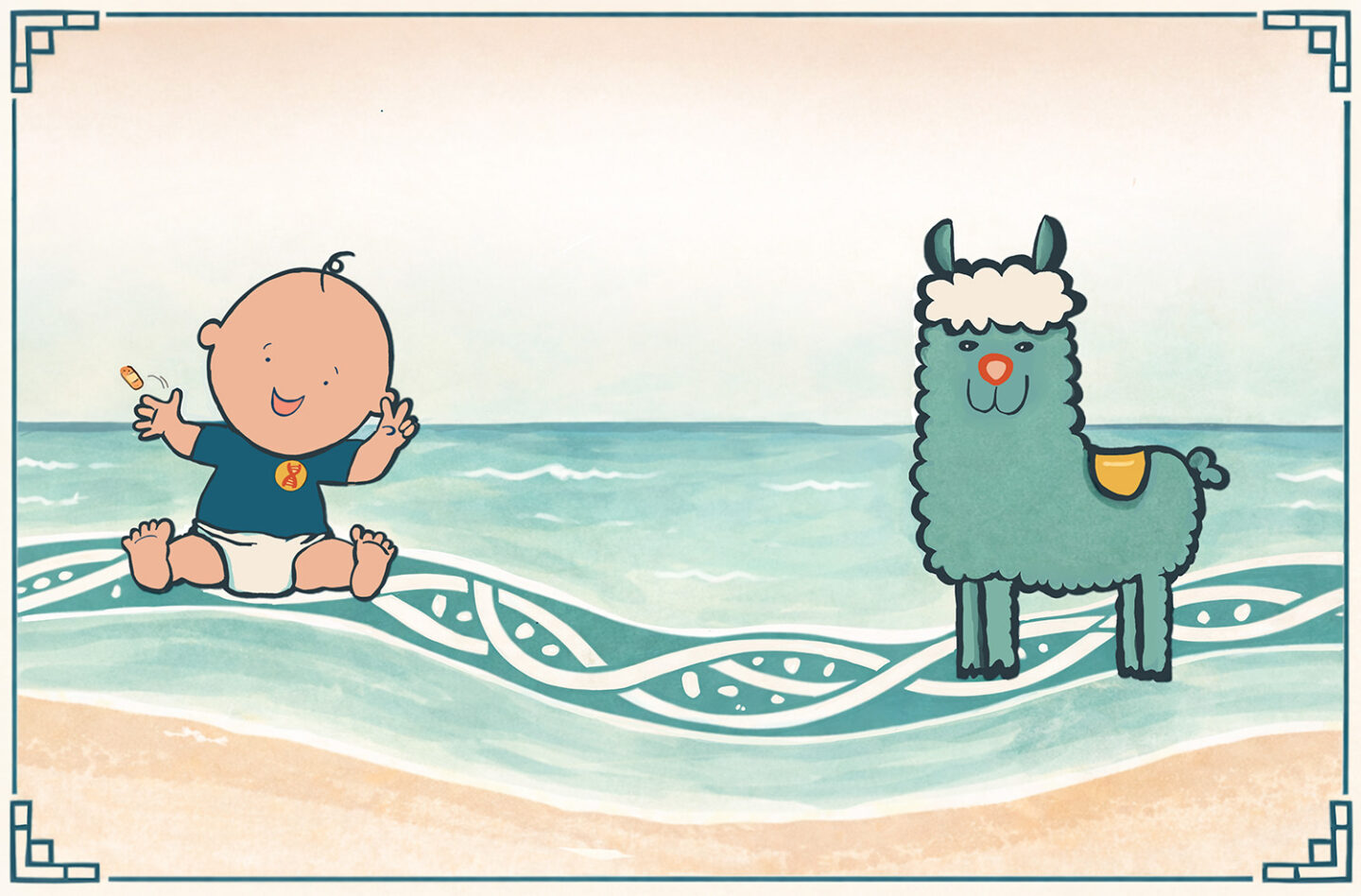
Who is it for? Children with a suspected rare disease.
- When a genetic condition is suspected, for example based on a paediatrician’s recommendation
- When previous blood tests were traumatic or unsuccessful
- When a full diagnostic assessment is wanted without a hospital stay
Who is it for? Adults.
In families with multiple affected relatives, for example those with a history of cancer, heart disease, FMF, Parkinson’s disease, epilepsy or early-onset dementia
When leaving the house is not possible or desirable, but a thorough evaluation is still needed.
- In families with multiple affected relatives, for example those with a history of cancer, heart disease, FMF, Parkinson's disease, epilepsy or early-onset dementia
- When leaving the house is not possible or desirable, but a thorough evaluation is still needed
Family planning and carrier screening, including Ashkenazi genetic testing.
- Carrier screening: testing for rare inherited conditions
- Ashkenazi screening: focused genetic testing for people with Jewish ancestry
- Genetic counselling before a planned pregnancy or assisted reproduction

What can you expect at Moleküli?
- Individual assessment: What makes testing useful in your situation and what does not?
- Test organisation and sample collection
- An easy-to-understand explanation of results: What do the results mean? What are your options? What happens next? A written summary for you, your family and your doctors
How does it work?
- A test kit is sent to your home
- You do a cheek swab (no blood required)
- We meet online for a convenient, stress-free experience

Epigenetic perspective
Experiences shape us, sometimes more deeply than we think. Epigenetics is the science of how life experiences and the environment can leave marks on the body. These marks are not found in the DNA sequence itself, but in how the DNA is packaged, read and regulated.
Sometimes, these molecular traces echo across generations.
At Moleküli, an epigenetic perspective is always part of our genetic counselling and interpretation.